A lot has changed in terms of the way we work as a result of the Covid pandemic. Some of these changes have been beneficial and others less so.
Many sales people within our industry were furloughed for a long time, which then developed into extended periods of isolation working from home. For some this has become the norm, with much rarer outings into the field. Although necessary at times, I am not convinced this is good in the long run, as we are social creatures by nature and need that real life contact with others. Especially when this critical role is all about building a close network.
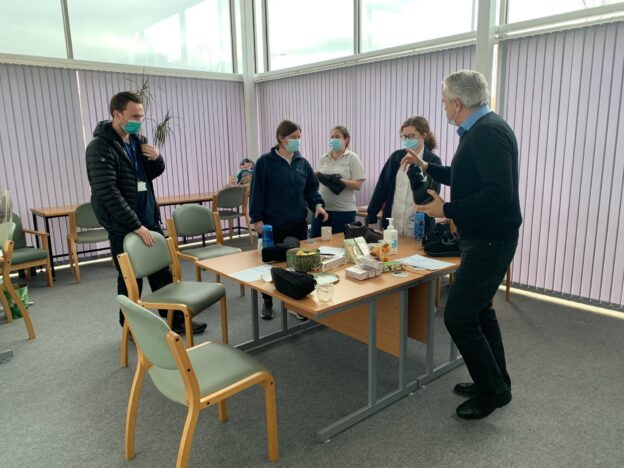
For a company like Brace Orthopaedic that specialises in distributing more innovative and technical orthopaedic braces, we also found that the medium of sales presentation through webinar just didn’t suit our products. In my opinion there is no substitute for a face-to-face meeting, with clinicians getting ‘hands on’ the product and going through its intricacies, whilst also having the opportunity to ask spontaneous questions.
Developing this theme, I think there has been a real evolution over the last few years in the role of what has historically been termed a ‘sales representative’. I have never liked this title, as I believe for those that carry out this role to its full potential, they are just so much more than ‘order prompters and takers’.
Sales people have come under the spotlight during the pandemic, as all businesses have had time to truly asses the value and role of these people. The result of that multi layered analysis has been that some individuals have looked for a career change, whilst some companies have come to the conclusion that product presentations through online platforms mean that this traditional role has become a luxury and so can reduce their head count and costs as a result.
Personally, I see high quality people in these roles as absolutely invaluable to a business like mine. I have ensured that my external team have stayed as involved as possible throughout the pandemic and been instrumental in strategizing our plans as the market opened up again.
More importantly, I have never considered my external team as sales representatives, but more as clinical educators. Our portfolio of unique products is deliberately smaller, as I would prefer to offer clinicians products that offer something innovative and different to consider as part of their clinical practice. We will always seek to add value to the Orthotics proposition. It is therefore vital that both my internal and external teams know every detail regarding features & function and should be equally comfortable presenting this information in person or over the phone – a real skill.
I have seen this trend growing over recent times and as a tight knit industry I am delighted to see so many high-quality individuals delivering this role for their respective companies. I would go as far to say that many of our orthotic product distributor friends in the industry have moved their sales teams far more towards clinical education.
I think the days of the bracing ‘catalogue companies’, with vast product ranges promoted by sales representatives who only truly know the inner details of a fraction of these products are over. Long live the clinical educator……
If you would like to learn more about Brace Orthopaedic’s range of innovative orthoses or indeed arrange a product demonstration, then please contact Customer Services on 0191 258 8944 where Cathryn or Iain would be delighted to help. Alternatively, please visit our website at www.braceorthopaedic.co.uk
“We are facing a secondary pandemic of neurological disease…“
Since the start of this pandemic it has become ever clearer that Sars-CoV-2 is not just a turbo-charged common cold, it’s quirky, unusual and at times has terrifying traits. Most viruses have U shaped mortality curves, killing young and old alike. But Sars-CoV-2 typically only causes mild symptoms in children. The novel coronavirus also disproportionately affects men: up to 70% of people admitted to ICUs worldwide are male. However, 3 female children have already been through my clinic with multiple organ dysfunction secondary to Covid-19 complications, leading to PNS issues and more specifically, complete peroneal palsy.
Some early data on manifestations show that Encephalopathy, Encephalitis and Guillain-Barré syndrome, and additionally SARS-CoV-2 has been detected in the CSF of some patients. More recently the media have revealed more quirks, with many Covid-19 patients whose only symptom is confusion without cough or fatigue. Another anomaly is ‘Happy Hypoxia’. A typical blood saturation is 98%, below 85% should lead us to a loss of consciousness, coma or death and yet many Covid-19 patients present with saturation levels below 70% to 60%, yet are fully conscious and cognitively functional. Anosmia and ageusia are common and can occur in the absence of other clinical features.
It can be said with some certainty that the last months have led us to believe that Covid-19 is extremely heterogeneous in presentation. Alarmingly, published evidence reveals that Sars-CoV-2 could cross the blood-brain barrier, often thought to be coincidental as it is extremely rare; are now deemed not so. The brain is normally shielded from infectious diseases by the blood-brain barrier – a lining of specialised cells inside the capillaries running through the brain and spinal cord. These block microbes and other toxic agents from infecting the brain. If Sars-CoV-2 can cross this barrier, it suggests that not only can the virus get into the core of the central nervous system, but also that it may remain there, with the potential to return years down the line.
‘The virus’s impact on the nervous system could be far larger and more devastating than its impact on the lungs’.
Predominantly a respiratory disease, neurological manifestations are being recognised increasingly. On the basis of knowledge of other coronaviruses, especially those that caused the severe acute respiratory syndrome and Middle East respiratory syndrome epidemics, cases of CNS and peripheral nervous system disease caused by SARS-CoV-2 might have been expected to be rare, but this is not the case.
We have to be careful to log what is either direct or indirect causation from the Virus, hypoxic encephalopathy and critical care neuropathy spring to mind, but it is still worth including infectious, para-infectious, and post-infectious encephalitis, hypercoagulable states leading to stroke and acute neuropathies such as Guillain-Barré syndrome, as these are all going to fall into needing some form of treatment by an AHP. To date I have had to deal with 2 GBS patients and complete Brachial plexus injuries due to central line complications.
The challenges are recognising neurological disease associated with SARS-CoV-2 in patients who are mild or asymptomatic, especially if the primary COVID-19 illness occurred weeks earlier. The proportion of infections leading to direct neurological disease will probably remain small, but these patients may be left with severe neurological sequelae.
With so many people infected, the overall number of neurological patients and their associated health burden, social and economic costs might indeed be large. Although neurological complications are rare in SARS, MERS and COVID-19, the sheer scale of the current pandemic means that even a small proportion could build up to a significant number of cases.
The minimum prevalence of CNS complications ranged from 0·04% for SARS to 0·20% for MERS, whilst PNS complications ranged from 0·05% for SARS to 0·16% for MERS. Extrapolate these numbers of cases with neurological complications of COVID-19 with the approximate 12.5 – 15 million cases of COVID-19 globally at time of writing, then prevalence runs at around 6 – 30k patients with CNS complications and 7.5 – 24k with PNS complications. These numbers, which do not include the increasingly important syndromes of stroke-associated COVID-19 infection, will rise as the pandemic continues and we are looking at the Americas here in particular!
NHS planners should take note and policy makers must prepare for this eventuality. I’ll be completing my 3rd weekly ‘Covid clinic’ this week of in-patients requiring Orthotics on our specialist neurological rehab wards. This is one relatively small hospital in the UK that can sustain a clinic just from the Covid-19 fall out weekly. It’s a sobering experience. Not everyone is ‘walking out’ a survivor on discharge day.
The biggest shock is acute cerebrovascular disease emerging as an important complication, with cohort studies reporting stroke in 2 – 6% of patients hospitalised with COVID-19, which takes us to around 60 – 180k. Again, I have personally had 2 of these cases in the past week.
In one national registry of 125 patients with COVID-19, neurological or psychiatric disease was reported over a 3 week period, 31% patients had altered mental status and 18% with a neuropsychiatric diagnosis, including psychosis and dementia-like syndrome. Notably, 62% of patients had a cerebrovascular event: 46% ischaemic strokes, 7% intracerebral haemorrhages, <1% CNS vasculitis and 8% other cerebrovascular events. Hypercoagulable states and cerebrovascular disease which are seen rarely for some acute viral infections, are an important neurological complication of COVID-19. An expectation that 50–80% of the world’s population might be infected before herd immunity develops could easily see patients with neurological disease increase. Neurological complications, particularly encephalitis and stroke, can cause lifelong disability, with associated long-term care needs and that inevitably means Orthotists along the way.
We would like to broaden the conversation and hear from other clinicians who have had interesting Covid cases to treat….
Talking with a clinical colleague, he feels we probably are over treating when the option for those 5% who do require treatment is serial casting up to the thighs. Due to POP it’s very easy to say let’s just watch, wait and then under treat at the same time; alongside disregarding anxious parents for being concerned with cosmetics, the NHS has a definite line on cosmetic treatments, plagiocephaly helmets spring to mind, but this is a separate issue for another day.
The issue with watch and wait however is the finite window we have to treat within diminishes. It could easily take the treatment opportunity time frame just to be referred and get in front of the orthopaedic or extended scope physio, let alone the time frame to organise logistics for casting. Before you know it we have a baby that is too old and ready to walk.
Metatarsus adductus (MTA) or metatarsus varus is characterized by adduction of forefoot (at tarsometatarsal joint) with normal hindfoot alignment; this last part is important to differentiate from skew foot. The mechanism is thought to be related to packaging disorder caused by intrauterine positioning.
It occurs in approximately 1 in 1,000 births with equal frequency in males and females, the bilateral issue presents in approximately 50% of cases, with an increased incidence in late pregnancy, first pregnancies, twin pregnancies, oligohydramnios, associated conditions of DDH (15-20%) and oddly torticollis. In the long-term studies’ residual metatarsus adductus is not related to pain or decreased foot function, but can be associated with late medial cuneiform obliquity.
A simple physical exam of tickling the foot can allow evaluation of active correction with peroneal activation, taking time to look for signs that confirm metatarsus adductus which are typically a forefoot that is adducted and a lateral foot border which is convex instead of straight. A medial soft-tissue crease indicates a more rigid deformity. We also rule out a atavistic toe and ascertain normal hindfoot and subtalar motion to rule out skew foot / club foot. It is also equally important to rule out femoral anteversion and tibial torsion as a must with every child.
We can then start to classify the severity, looking at the passive correction to midline, typically flexible or rigid. Then by using the easily repeatable and recognisable Bleck classification by heel bisector method. Normal – heel bisector line through 2nd and 3rd toe webspace, Mild – heel bisector line through 3rd toe, Moderate – heel bisector through 3rd and 4th toe webspace, Severe – heel bisector through 4th and 5th toe webspace.
MTA is typically treated nonoperatively and mostly as a benign condition that resolves spontaneously in 90% of cases before walking. Another 5% resolve in the early walking years (age 1-4 years). That leaves 5% which need treatment, so for the UK this means around 750 cases a year and with a 50% incidence being bilateral that’s around 1125 feet a year, not to mention the other 5% 1125 that are watch and wait, deemed not severe enough to warrant full leg POP.
My colleague is not sure all of the watch and wait children resolve and often sees these children at a typical age of 18 months in paediatric orthotic clinics for insole +/- specialist footwear; of which subjectively he feels aren’t always helpful in resolving the MTA, especially if it was moderately classified and with some stiffness. That is a real shame.
Of the others he would typically find flexible deformities that can be actively corrected to midline with no medial creasing and require no treatment. Flexible deformities that can be passively corrected with no medial creasing may require parents to administer serial stretching at home. Those that are semi rigid or rigid with a medial crease will in fact need treatment of serial casting. This can occur anywhere between 3-9 months, but the earlier the intervention the better outcome due to flexibility in the immature foot.
Finishing up before the baby’s milestones, like pull to stand and walking, as late treatment with POP can delay this due to ankle and knee being encompassed just like a CTEV club foot. This is highly unfortunate for a deformity that only encompasses the forefoot. So you can see, trying to avoid POP would be a priority for parents due to the sheer impracticality for bathing, changing, discomfort, skin sores, lengthy and often distressing repeat casting for 3 – 6 weeks and then occasionally into DB / C pro boots and bars for maintenance overnight. The above already means compliance will suffer for some and it would appear from the outside to be a complete over treatment. It is this that often means clinicians and parents are keener to watch and wait when the treatment option is so impractical.
I am watching this space carefully as a few new developments are in the pipeline that look extremely promising; but right now, what is your treatment pathway and rationale? Is it unethical to serial cast MTA?
The Industrial Internet of Things (IIoT) has most definitely hit the medical devices industry and that also means Orthotics. If you have never heard of IIoT I suggest you look up a definition and no, this isn’t something from a Black Mirror storyboard.
A small part of this will be computational twins, which have existed for decades with companies like Dassault Systèmes, or others you may have heard of like NASA. What started with aircraft engines, is now heavily underway with organic matter.
A digital twin is a computer program that takes real-world data about a physical object or system as inputs and produces an output of predications or simulations of how that physical object or system will be affected by those inputs.
The leap from R&D into real world cloud applications is gaining huge momentum, with several companies now completing Series A staging. As we become more plugged in and naively use various mediums to track personalised health biomarkers, the future is either rather depressing or utopian, depending on which side of the huge ethical AI fence you sit. This data will correlate directly with your projected death date, which in turn correlates to your pension, insurances, healthcare provision and so you’ll easily comprehend how AI, 5G, wearables and biomarkers will shape the future.
The release of virtual human body twins in a platform; brings
together biosciences and engineering, enabling a stakeholder to project the
data for an object into a complete living virtual model that can be fully
configured and simulated. This is potentially ground breaking to the med tech
industry, researchers, clinicians and even patients who can visualise, test,
understand and predict the unseen. From
pharma with disease, surgical outcomes and even the medical device industry, as
these Orthoses transition to wearables.
Companies like Computational Life, a digital avatar platform,
are principally engaged in cardiac research and development of medical devices
in pre/post clinical phases. They have now pioneered what is likely to be the
future, by converting their virtual models into an exact replica of the patient,
by overlaying actual MRI scans of patients over their model, allowing the
digital twin to possess all of the vascular features of the patients, to then
track blood flow and organ response.
The above will be an absolute must in order to understand the
effect of medical devices on the whole body. A chief complaint of many
clinicians and certainly in Orthotics, is that no matter how good AM
manufacturers are with scanning and AI, it can never replace the ability of the
clinician to assess and feel the proprioceptive qualities of soft tissue and
skeletal relationships.
Other highly beneficial
outcomes to the above would be diminishing the need for animal testing and
pushing the boundaries of utilising several hypotheses at once whilst analysing
scenarios, which can be extremely difficult to test in a person. From simulating environmental extremes of
altitude or temperature, or from just running ‘What if’ calculations. You can
probably get away with a few prescription alterations, but certainly not
several due to the demand clinically and also from the client stand point as
trust and confidence wanes, as by the 10th iteration of the device you would
have to question if you the clinician knew what the hell you were doing!
Is the future of Orthotic prescription in these cloud-based
platforms pairing the digital twin with a digital version of the target Orthoses?
I suppose it will be subject to bandwidth and processing (hello 5G). In reality however real-time tracking of
individuals’ biomarkers, activity and the performance of any Orthotic device
feels imminent.
I for one am looking forward to being able to use this tech in order to see the invisible; the interaction of orthoses with client, but in all of this we must not lose sight of the fact that it must be for the ‘common good’.
What is this word structuralism?
It’s been quoted in medical journals both in favour and against, but I’ll
attempt to nutshell it with regard to clinicians and clients. It’s thought to be an extreme focus among
AHP’s that structural imbalances and asymmetry in the body can result in
painful musculoskeletal conditions. In this model, the imbalances and
asymmetries increase the abnormal mechanical / physical stresses imposed on the
musculoskeletal system. This may lead to recurrent injury or the development of
chronic conditions through a gradual process of wear and tear.
One of the most deeply held
beliefs in MSK with AHP’s is that osteoarthritis is a “wear and tear”
condition, that years of activity, sports, occupation, weakness /
imbalance, have manifested into joint
degradation due to perceived overuse. This is rather a narrow mechanical view
of arthritis and directly suggests that the longer we live and/or the heavier
we are, that this has increased our predisposition to joint issues.
The model then manifests
clinically in the form of postural, structural and biomechanical assessments (PSB) in order to deliver manual
conservative treatments and exercises that aim to correct these structural
factors. It can wear a different hat each year; we’ve seen neural tension,
tissue stress and fascia, kinematic chains – you name it! I do believe PSB to be clinically significant,
but we must consider all other factors.
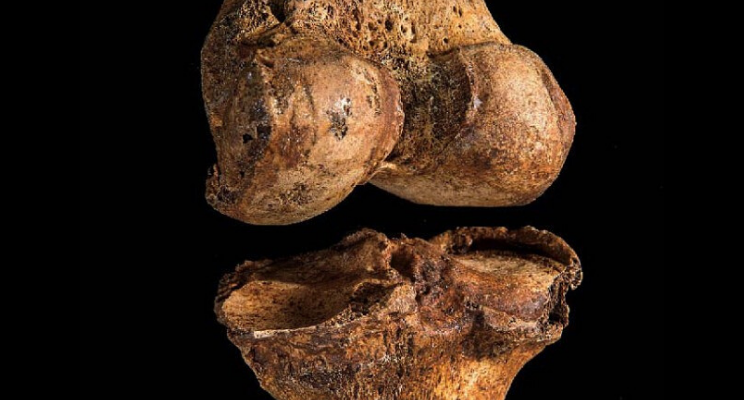
The prevalence of osteoarthritis has roughly doubled in the 20th
century and that number didn’t change when weight and age were factored
out. The study by Wallace et al using long-term historical and evolutionary
data looked at the skeletal remains of older people with a well-documented body
mass index from the last two centuries alongside prehistoric knees.
The implications are clear –
loading and longer lifespans are almost certainly not the main cause. The unconfirmed, but likely candidates are
the surge in recent lifestyle diseases: metabolic syndrome, diabetes and heart
disease (see Kluzek et al or Jiang). These are reassuringly treatable. We can
accept that biomechanically knee osteoarthritis “wear-and-tear” problem can be
aggravated by weight and age, but recent studies show with great statistical
significance that we have a bigger factor that must be contributing to its
prevalence in our ageing population, likely biological with genes and
heritability coming into play. So what Orthotics services are currently feeling
or noticing, is possibly more referrals for OA knee bracing. Certainly this is something I have felt in
the last decade, with a notable increase in Tri – compartment.
As an adjunct, Battié et al found
with twins that as much as 47%–66% of spinal degeneration is due to hereditary
and shared environmental factors, whereas only 2%–10% of the degeneration can
be explained by physical stresses imposed by strenuous occupations or sporting
activities.
In contrast to best practice
guidelines for knee OA, findings from several different healthcare settings
have identified that nonsurgical treatments are underused and TKA is overused.
Empirical evidence and qualitative observations suggest that patients’
willingness to accept nonsurgical interventions for knee OA is also at an all
time low. Qualitative investigation of why patients may feel that such non
surgical interventions are of little value has been an important step toward
increasing conservative treatment of knee OA.
I think we can all agree that
there is no doubt in cases of excessive asymmetry / imbalance it is unlikely
that manual therapies or conservative treatment can substantially lower a VAS
pain score. The difficulty as always is
being able to quantify the impact of conservative treatments on an individual
with minor / moderate imbalance, or wear and tear. With any joint condition it
depends on the individual biological and psychological threshold to reserve
capacity to allow for asymmetry and imperfections to exist without symptoms.
Lederman has an excellent paper
on this with LBP, with regard to structuralism that equally resonates with an
OA knee; we didn’t really nutshell it but let’s just leave it at pathomechanics do not determine
symptomatology.
Now back to structuralism – this
one of the biggest challenges to the Orthotist treating these OA knees. Studies have illustrated quite well that patients’
beliefs in a biomechanical model of progressive joint degradation often
appeared to originate within earlier clinical encounters and from literal
interpretation of the term ‘wear and tear’. These beliefs led to uncertainty
regarding interpretation of daily symptoms and participants’ ability to
influence the rate of decline and certainty that joint replacement surgery
represented the only effective solution to fix the damaged knee. I witness this weekly in clinic, as clients
simply feel they are going through the tick box hurdles before being considered
for partial or full TKA and we really need to get them to change this mindset.
As clinicians it is paramount that when treating with nonsurgical interventions you consider exploring and targeting patient held misconceptions about, causes, consequences, timeline, and treatment of knee OA to influence the above mindset. These misconceptions about knee OA treatment influence patients acceptance of nonsurgical, evidence-based treatments such as exercise and weight loss. The author would suggest that once diagnosed with “bone-on-bone” changes, we deliver this with more information on how the joint may of reached this point and that with hindsight there was likely nothing the client could of done differently with the knee. Disseminating up to date clinical evidence on effectiveness of conservative management to prevent many disregarding an exercise based or bracing intervention further damaging their joint or feeling it, is merely futile. It’s time to challenge and be honest about structuralism and get our clients on board with compliance.
Following a fascinating conversation with a Senior Orthotist, I thought I would offer his thinking on the future of casting for orthoses.
His answer to the question above was – NO! He went on to say.
We are not talking about replacing it with direct scanning, which is as popular as ever with AM technology, but the next step, which is the use of smart textiles.
Be prepared in the next decade to reminisce with a new era of O and P graduates, as they hold back the laughter on how we wrapped limbs in POP to purely gain an accurate 3D shape. Even as the decade passes, we will likely not be looking back at POP (or whatever other casting medium) with rose tinted glasses, as it is and always has been just a pain – from the process of applying, time to cure and to remove, via means of scissors (uncomfortable), knife or scalpel (dangerous and intimidating). Ask any of your clients, or more specifically challenging paediatric clients if they fondly remember their first casting experiences; the answer will likely be no. It just isn’t a nice experience or product, for the purpose in which we are using it – 3D shape capture.
The use POP or polyester in Orthotics requires significant skill, logistics and post-processing to generate a positive cast that is optimum. It’s wasteful on so many levels; add to this a bubbling anxiety that you may see a plastic insert from literally thousands of finished POP rolls lodged in a sea mammal in an Attenborough documentary, it’s time we moved on.
Anyone who is scanning will already understand that although it has obvious benefits, it does still in fact have nuances and it is not suitable for every client. Here are some of the issues in no particular order; cost, movement rendering capture unusable, the physicality of getting around a limb even with something like a structure 2 sensor and tablet is difficult and certainly for most children (or those with sensory or spasticity) you are going to need a second pair of hands to physically hold that limb in the ideal position. The last is often where people resist or dismiss direct scanning, as they feel this disconnect of ‘feel’. The physical tactile connection of holding and correcting a limb, sensing a feel for range, resistance, soft tissue and in many respects they are correct as some limbs still need human interaction.
The answer will likely be Smart textiles. This is not a new area, as many plantar measuring socks exist and the world of robotics is littered with different systems. The newer systems are typically Smart Embedded Cooperative Systems of often a matrix structure equipped with a set of stretchable biocompatible multi-modal sensors systems, which are mechanically flexible and unobtrusive or more recently optoelectronic sensing.
The next step for example with AFO casting, would be to simply be able to fit an AFO casting sock onto a client. The smart, portable and stretchable textile sleeve with integrated sensors will connect to a smartphone to visualize a digital limb model which can be saved and exported for manufacture. This will undoubtedly be ground breaking, not limited to just workflow in day to day saving of time, but the whole process just being far more pleasant for clinician and client. We should have the ability to have a client stand in a shoe and capture pitch for a desired shoe, the ability to still be able to hold and correct a limb, with multiple casts being able to be done in a matter of seconds until settling on the final alignment you’re seeking, with increased accuracy and no waste, it’s a win win.
What of the future after this? What really is exciting are the multi modal qualities of sensors, measuring anything from PH, temperature, or deformation. The ideal would be the impact of wearing a sensor sock to gain not just 3D capture, but motion capture of joints and plantar pressures. To then pull all of this together to send full biometrics that can be interpreted and analysed to bring together an ideal prescription from simply donning a textile sock, or any part of the body for that matter. We may even see these sensors embedded into our wearable orthoses and prostheses to gain real time data, pressure warnings as well as monitoring of diseases and pathology over time.
There are considerable challenges to overcome before extending this technology beyond three-dimensional (3D) capture. To note; the continuum of joint angles, and the hysteretic properties of the matrix elastomers with conductive materials produce varying conductivities during cyclic loading. Either way, I can’t wait for it to replace traditional casting.
Would you happily adopt smart textiles for casting?
The topic of paediatric flexible flat foot posture remains controversial, with little consensus on how this foot type should be measured, defined or assessed. Importantly a flat foot posture outside of expected norms may not require management. The structurally abnormal foot can present asymptomatically, whilst a seemingly structurally normal foot can present symptomatically. However, the experienced Orthotists discretion currently guides the decision on whether to treat or not to treat and remains variable from one to another.
There is a stigma about the paediatric foot which extends outside of just the Orthotist profession, as the progression of the foot is essential but it is critical that we avoid pathologising typical foot development. This is harmful to our patients, perpetuates unnecessary expectations and damages our profession. Most clinical concerns are physiological, nonpathological and not requiring intervention. Most debate is largely in identifying when a flat foot is atypical.
Working within paediatrics requires the clinician to assess the whole child, rather than simply the aesthetics of their foot posture. The static weight-bearing foot structure of the paediatric foot is only a small part of the clinical picture, as the dynamic function must be considered. Static foot posture measures fail to fully represent foot function and require placement within the clinical context. However, concentrating on a consensus for best practice for static measures that are validated and repeated is a good place to start. How many of you follow a validated tool such as the paediatric flat foot proforma (p-FFP) and the Foot posture index (FPI-6)? The only flat foot scale that accommodates differences between normal and overweight/obese children.
It seems that the current approach to clinical practice is a mirroring of the clinical models for managing adult feet, whereby some foot types are assumed problematic, even though there is no strong evidence for this. Parents are frequently concerned by the appearance of children’s feet and worried that their child’s future will be impacted by deformity and pain. It has been established that adults with flexible flat feet have a significantly increased likelihood of reporting back or lower limb pain, foot pain, hallux abducto valgus and degenerative joint disease. The question of the paediatric foot divides clinical opinion, as we need an ethical and reasoned approach to clinical practice that is evidentially required, with a uniformed approach to rethink and dispel unproven beliefs based on adult comparison and yes ‘shock horror’ – vertical heels aren’t the norm!
Children’s feet are developing structures and the absence of an arch is a typical stage of development. Children are born with flexible flat feet, progressively developing a medial longitudinal arch during the first decade of life. This trend of reducing flat foot with increasing age is consistently noted within the literature. Despite flat feet being a typical developmental occurrence, it is still a frequent reason for which parents seek opinion.
So, what do clinicians say with any certainty? Currently it is clinically accepted that all typically developing children are born with flexible flat feet, progressively developing a medial longitudinal arch during the first decade of life. Healthy, typically developing children can be expected to have a flat foot type during their development which can reach normality at 7-8 years old. We are however still waiting for the original reference for this and it’s never been found! Most studies show this ‘normalising’ which is more like the foot posture becoming static at a slower velocity than those earlier years, it can in fact occur from anywhere between 3 to 8 years depending on which research you read, with strong evidence for maturation up to at least 10 years of age. Most prefer not to see children until 2.5 years, with at least 6 months independent walking.
With regard to ‘normality’ of paediatric foot posture, this will need to change with further research. Ideally it needs to move to align more readily with reference values, in keeping with the majority of other developmental children’s milestones and growth assessment methods. The typical red book of children’s weight, height, head circumference is readily reported against percentile values. Whereby, not only the percentile score at any one point in time is of importance, but indeed the consistent trajectory of that measure over time offers a clear, validated measure of change. This is the future of paediatric foot research, as this would help with clarity for those often-hard decision feet that seem extreme, but maybe are just developing towards the extremes of typical and aren’t anything other than examples of the normal statistical variation which is expected within a normally distributed population.
The author however would suggest that you at least use the paediatric flat foot proforma (p-FFP), as it is diagnostically rich, repeatable and yet simple. As a tool it allows reliable comparison from baselines and between clinicians or researchers. In addition, the p-FFP maintains the simple ‘traffic light” framework, making it easy to explain to parents and other health professionals, whilst ensuring that all are literally on the same evidence-based page when considering the child’s flat foot. The simplicity of pain or no pain is an easy decision to treat, but for those with no pain what do you do when you are chairside? p-FFP will help you rationalise and make those decisions. As part of this the Foot posture index (FPI-6) is a multi-planar measurement process, which has also demonstrated good reliability and ease of use. It is frequently used within clinical practice, evidenced by its inclusion in the Gait and Lower Limb Observation of Paediatrics tool, which is based on expert consensus and is an excellent record for those that we are just monitoring over time. However, we have a huge disparity between how paediatric flat foot is measured in the literature and how it is assessed in the Orthotists room, but if we can at least all be on the same page as clinicians it’s a start – rather than assuming and issuing on a hunch! Monitor those feet, don’t feel pressured to just issue orthoses.
How do you approach this in your clinic? Do you regularly challenge meaningfulness of a referral whose primary concern is just how “flat” the foot is?
In the Austrian capital Vienna, the Kenyan distance runner Eliud Kipchoge became the first person to complete an unsanctioned world record marathon in a time of 1:59:40, a feat thought impossible 3 years ago. Followed a day later by Kenya’s female distance runner Brigid Kosgei, obliterating Paula Radcliffe’s world record by 81 seconds and personally I feel it’s arguably the greater achievement. Yet there is a feeling that this momentous occasion and the virtue of Kipchoge’s pursuit is tarnished by the unfortunate association with Nike and Ineos.
Chemical giant Ineos who ploughed $19m into this pursuit, are unfortunately the largest producers of non-degradable plastics, a product that threatens the health of our oceans among a number of unethical business practices. Nike have also these last few weeks endured the on-going scandal with coach and founder of Nike Oregon, Alberto Salazar and his performing enhancing exploits. This has unfortunately casted cynicism over the athletic achievement and for some people to ask was this a fortunate and timely PR stunt for two colossus companies?
The real talking point is in fact not the 41 rotating pacemakers, or the electric car with lasers that helped pacing. It was in fact the shoes that Kipchoge and Kosegi wore – the Nike Vaporfly, which the media are hysterically (and with a hint of irony) calling a ‘performance enhancing shoe’. It more accurately appears to have been a hybrid or future version of the next% shoe for the Ineos challenge and the Kosegi WR assault.
Since the introduction of Vaporfly in 2017 we have seen the 5 fastest marathon times, all within the last 13 months and all run in Nike Vaporfly shoes. Pre August 2018 all of these 5 marathon times would have been world records, which is incredible when on average for decades a new marathon world record was only set every 1-3 years for men. This of course has led to cries of a ban, with similarities been drawn to the reduced drag of LZR swimsuits. But is it a fair comparison, when in swimming milliseconds count, over a 4% shoe efficiency? Take a look at the graphs. Clearly the shoe takes nothing away from the magnitude of the achievement from Kipchoge and on a level playing field of the top 5 he’s ahead of the competition.
This shoe, more specifically Nike Vaporfly 4%, was so named since research from the University of Colorado Boulder’s Locomotion Lab from 2017 had shown that on average, the Nike Vaporfly reduced the energetic cost of running by 4% (thought to be more accurately 4.2%). The Nike Vaporfly Next% was the next generation Vaporfly and building on its success is set to further reduce the energetic cost of running by at least 5%. Check out the link below for an in depth look at the construction of the actual shoe Kipchoge and Kosgei used, a hybrid of the current Next% offered to the public and not yet released.
The common DNA of Vaporfly construction features a controversial curved carbon fibre plate embedded within the midsole, alongside a rocker profile and a unique mid sole foam around 31 mm high at the heel. This is around 50 percent thicker than comparable shoes, is exceptionally compliant and resilient with memory, whilst returning most of the energy you apply to it. It is thought to account for 3% of gains and the carbon plate the 1%, again it’s an assumption as the 4% could easily be the sum of its parts and not attainable in isolation.
The bending of the carbon fibre plate stores and returns energy at a rate of 0.007 watts per kilogram with each stride, but the foam returns 0.318 W/Kg around 45 times more than the plate. The foam in fact can move the centre of mass 15mm more vertically than a regular shoe with no extra metabolic energy and increased stride length. We get caught up in the apparent spring effect of the carbon, but in fact the foam is the real spring.
It’s worth checking out Emily Farina and Brett Kirby’s work.
Farina compared no carbon plate and flat-plate shoes, which showed a cost in energy that will only counterbalance the energy saved at the MTPJ. They also looked at a moderate curve to the plate and it was revealed the cost goes down. Lastly, looking at a severe curve, you’re back to parity: your ankle isn’t working any harder than if there was no plate, so you get the best of both worlds. This is fascinating, as the extreme curve reduced energy loss at the MTPJ by 25%, but where does that energy go? The ankle would be the next logical joint for transfer to make up the loss in the system, but it does in fact appear not to need to work any harder!?
Kirby involved 14 runners training for the 2017 Portland Marathon, two roughly equal groups running in either the Vaporfly 4% or the conventional Zoom Pegasus 34. Immediately before and after the marathon blood samples were taken and afterwards they completed a soreness survey. The Vaporfly runners showed lower levels of three blood measures of muscle damage and inflammation by between 15 and 43 percent, as well as reporting significantly less leg soreness.
He additionally in the second part of the study took seven subjects in a random order, trained for two weeks each in the Vaporfly and the Pegasus, doing three standardised training regimes per week with the same intensity each time determined by heart rate. When training in the Vaporfly unsurprisingly the runners ran faster and further, but the most interesting is that the gap widened as the training week progressed. Monday they were 9 seconds per mile faster in the Vaporfly, Wednesday 15 seconds faster and by Friday 35 seconds faster. This suggests that they were able to handle the cumulative training load better and recover more effectively.
The testers subjectively felt less sore and recovered more quickly after training and racing in the Vaporfly. It’s worth mentioning the testers where not blinded to the shoe and we have seen previously in studies the psychological effect this can have. Did they just try a bit harder in Vaporfly over Pegasus?
So, what’s next? in order to sanction a marathon race the shoe needed to be available to the general public, the next generation Next% used in these last two athletes’ races where the new incarnation of the Next% not yet on sale. It’s also interesting how they will market the shoe off the shelf, as body weight is a huge factor. Light runners may not take advantage of the full spring in the midsole, inversely the heavier runners may bottom out the midsole reducing the energy return ability of the Nike VF midsole. Does this mean Nike will optimise the midsole thickness to weight, foot length, strike pattern? Will you buy the Vaporfly in your weight category?
To answer should we ban them? The mere fact that the shoes work can’t be enough, what do you ban – the carbon? The foam? We don’t fully understand why it’s working and so have no clarity over what we are objecting to. Therefore, let’s not ban them but define the maximum geometry of the carbon and foam.
Will we see Vaporfly penetrate middle distance? Triathlon and ultramarathon are particularly interesting, certainly the time savings on an ultramarathon could be huge, but also the savings on the structures of the body in a gruelling 70miles could be life changing.
Runners keep MSK physio’s busy and certainly keep private physio pockets full. Imagine the NHS cost saving of a $300 shoe that reduces stress to anyone training middle distance and further? Vaporfly boosts efficiency, but if they help more people run further in greater comfort then surely they are here to stay – what’s not to like? The only possible issues are those who are new to this shoe not weening onto it properly, with deformation of the sole at 12- 15mm, add in the increased pitch compared to a normal runner, it wouldn’t be a huge leap to predict various foot pathology risks, especially at the TA.
It certainly will be fascinating to see the Next% that is offered to the public and how far Nike can go furthering the efficiencies? They are now sure to dominate the market, with other big brands lagging behind, I look forward to seeing some further research and data as to what exactly is going on and how this could be integrated into various combinations with orthosis, or prosthesis. If you have any thoughts, I would be interested.
A while back we published a blog on the current thinking regarding the use of hallux valgus correctors.
In a nutshell we noted that the joint will never be restored to good alignment and the very use of ‘corrector’ in the title was spurious. We also saw that a hallux valgus corrector in conjunction with a functional foot orthosis can have a good outcome in the early subtle deviations, with patients reporting a reduction in pain.
Surgery was often indicated for those moderate to severe cases with minimally invasive techniques requiring minor bony augmentation sparing soft tissues, with an evolving method of managing the soft tissue with a corrector pre-surgery to prepare soft tissue and post-operatively to maintain alignment until healing was complete.
More recently C. Plaass et al undertook a randomised study that has largely reaffirmed the previous blog and of note the HAV corrector was in fact the dynamic Halluxsan.
As in every study published except one, no significant difference in the radiologic HAV parameters were found in patients after using the Halluxsan brace, whilst others simply do not correct HAV. So, I think we can now confidently put this to bed.
This study showed a reduction in pain during activity in patients with symptomatic HAV when wearing a dynamic HAV splint, however pain scores at rest and while starting walking showed no significant difference.
Now the most pleasing news is that the main significant findings where that a notable difference was found regarding pain during walking and running, with an even stronger trend regarding the pain subscale of the FAOS score. For our patients the FAOS is a great indicator of quality of life and that is what should matter to our end users.
Together with the reduced pain score, the alteration of the periarticular soft-tissue alignment and improved articular congruence appear to be influencing pain.
We are now even more confident in advocating the use of the unique dynamic Halluxsan as a suitable treatment for symptomatic painful HAV for those wishing to walk and run. For more info on the Halluxsan refer to the previous blog post.
C. Plaass, et al., Short term results of dynamic splinting for hallux valgus — A prospective randomised study, Foot and Ankle Surgery (2019).
So let’s have a look at a fairly topical subject, as many parents soon will either be buying, or looking at their child’s school bag for after the summer break. It is widely bounded around in clinics by various therapists in various clinical settings in what now is almost conventional wisdom, that heavy school bags cause back pain, shoulder pain, even paresthesia. Postural changes commonly associated are forward head posture, increased anterior pelvic tilt, forward trunk lean, and an increased amount of force on the lumbosacral spine.
Current recommendations suggest that backpack weight should only be at 10%-15% of your child’s body weight! That’s a pretty impossible task and this recommendation wouldn’t look out of place as a new budget airline policy for carry on luggage, it is that frugal!
Parents are often now guilty of nagging their children for carrying the pack over a single shoulder and worrying about the weight, but is it really that bad? Well the state of California seemed to think so, even passing a bill to limit the weight of children’s packs!
A systematic review published in the British Journal of Sports Medicine* reviewed 69 studies with a total of 72,627 children relating to school bag use and back pain.
School bag characteristics such as weight, design and carriage method do not increase the risk of developing back pain in children and adolescents.
People rather unsurprisingly think of back pain in children as an injury and so look for a cause, making the school bag an easy target. It did however find some links to psychological perception of the school bag being heavy and increased back pain.
Load is actually good for the spine, so we want children to be physically active and to carry loads.
So it would appear those daily paper rounds as a youth where not just character building, but physically beneficial!
This whole industry is worth millions, to youtube bloggers illustrating how to pack and distribute heavy items, to companies selling highly engineered specific school backpacks for heavy loads. With austerity we have even seen parent led campaigns, as backpack loads have been going up because budget cuts have prevented schools from providing enough lockers, or a double set of books for the home and classroom.
So with that in mind it would appear that you can put the weighing scales away and follow the advice, that if a child is experiencing an episode of back pain it may make sense to temporarily reduce the load if this relieves the pain, but once they recover it is fine to return to a normal load in the schoolbag.
If you believe something to the contrary then let us know?
*Yamato TP, Maher CG, Traeger AC, et al Do school bags cause back pain in children and adolescents? A systematic reviewBritish Journal of Sports Medicine 2018;52:1241-1245.